
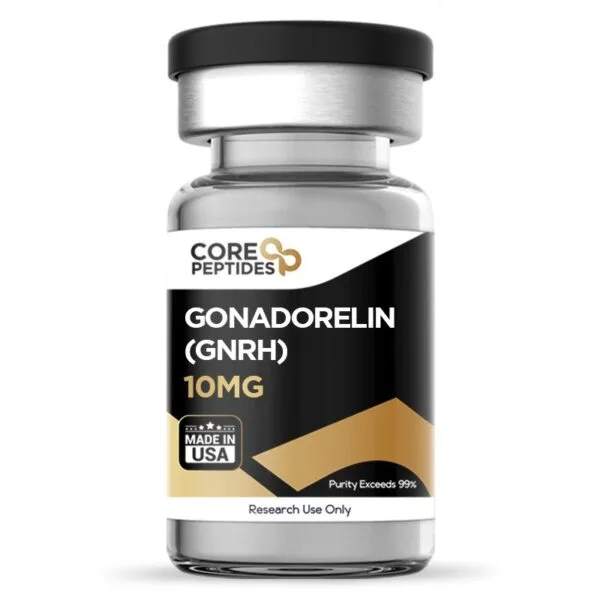
Gonadorelin (GnRH) 10mg – Research Peptide Overview
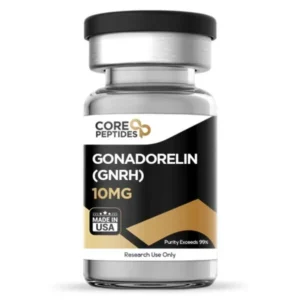
Gonadorelin, also known as Gonadotropin-Releasing Hormone (GnRH), is a well-known investigational peptide frequently referenced in endocrine and hormone-related laboratory studies. The Gonadorelin (GnRH) 10mg format is commonly utilized in controlled research settings where peptide precision, consistency, and handling quality are important considerations.
At Pro Peptide Store, research peptides are offered strictly for laboratory and educational purposes. Gonadorelin (GnRH) remains an investigational compound intended only for qualified research applications and not for human consumption or therapeutic use.
What Is Gonadorelin (GnRH)?
Gonadorelin is a synthetic form of naturally occurring Gonadotropin-Releasing Hormone, a peptide associated with signaling processes involving reproductive and endocrine function. In scientific research, Gonadorelin is frequently studied for its interaction with the hypothalamic-pituitary-gonadal (HPG) axis and its role in hormone signaling pathways.
Researchers continue exploring Gonadorelin in laboratory environments focused on peptide biology, endocrine signaling, and receptor activity. Because of its established relevance in hormone-related studies, Gonadorelin remains one of the more recognized compounds within peptide research discussions.
Gonadorelin (GnRH) 10mg Research Format
The 10mg peptide presentation is commonly selected for investigational protocols requiring measured peptide quantities and controlled laboratory handling. Researchers often prioritize compounds that support consistency and reliable storage conditions throughout scientific evaluations.
Key features commonly associated with peptide research products include:
- Research-grade peptide formulation
- Laboratory-focused packaging
- Controlled handling support
- Consistent investigational presentation
- Compatibility with research protocols
Peptide compounds used in laboratory settings are generally managed according to institutional standards and research-specific procedures.
Areas of Scientific Interest
Gonadorelin continues to be examined in multiple research categories related to endocrine and peptide science. Areas of ongoing scientific interest may include:
- Endocrine pathway studies
- Hormone signaling research
- Pituitary function investigations
- Receptor interaction analysis
- Experimental peptide studies
- Reproductive biology research
As peptide science advances, researchers continue evaluating how signaling peptides influence broader biological systems and receptor-mediated processes.
Importance of Quality in Peptide Research
Research professionals often prioritize quality and transparency when sourcing investigational peptides. Product integrity, storage guidance, and handling consistency can all contribute to maintaining reliable laboratory conditions.
Factors commonly considered when evaluating peptide suppliers include:
- Packaging standards
- Research-use labeling
- Storage recommendations
- Batch consistency
- Handling protocols
- Supplier reliability
Maintaining proper laboratory procedures is essential for preserving peptide stability and supporting research accuracy.
Storage and Laboratory Handling
Proper storage conditions are important for peptide preservation in research environments. General peptide handling practices may include:
- Refrigerated storage when recommended
- Protection from direct light and excessive heat
- Controlled handling procedures
- Use according to laboratory timelines
- Following institutional safety standards
Researchers should always comply with applicable regulations and laboratory requirements when handling investigational compounds.
Growing Interest in Peptide Science
Peptide research continues expanding as laboratories explore receptor-targeted compounds and signaling molecules across multiple scientific disciplines. Gonadorelin remains a recognized peptide within endocrine-related studies because of its established role in hormone signaling research.
Ongoing scientific exploration continues contributing to a deeper understanding of peptide interactions, receptor pathways, and laboratory peptide applications.
Research Use Only Disclaimer
Gonadorelin (GnRH) 10mg is intended strictly for laboratory research and educational purposes only. This investigational peptide is not approved for human consumption, medical treatment, or diagnostic use. All handling and use should follow institutional policies and applicable regulations.
For additional research peptides and laboratory products, visit Pro Peptide Store.
Reviews
There are no reviews yet.